The Grocery List Knows Where You're From: A 12-Question Dialect Quiz
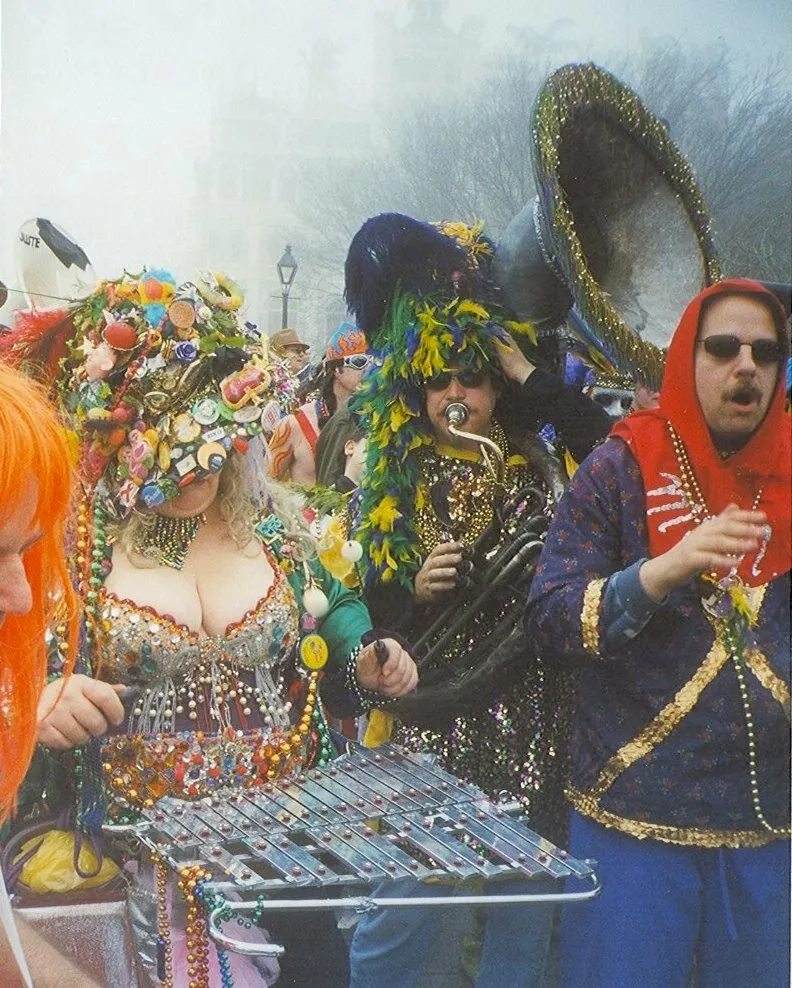
Photo: Infrogmation, CC BY-SA 3.0, via Wikimedia Commons
Americans love a dialect quiz the way we love arguing about whether a hot dog is a sandwich: loudly, with snacks. The classic parlor trick is to ask someone to say 'pecan' and then nod like you've solved a crime. But in 2026, the game is messier. People move. Accents blend. A kid raised in Atlanta by Ohio parents can order a 'soda' in a 'buggy' and still call a sandwich a 'sub.' That is not dialect death. That is dialect in motion.
So here is a 12-question quiz built around some of the most stubborn markers in American English. Answer honestly, not the way you think a linguist wants you to answer. It will not really read your mail, but it can make a shockingly good guess about where you learned to talk.
The 12-Question Dialect Quiz
-
How do you say pecan?
- PEE-can
- puh-KAHN
- PEE-kahn
- Something else / I refuse to pick
-
How do you say pajamas?
- puh-JAH-muhz
- puh-JAM-uhz
- I say 'jammies'
-
What do you call the place where you buy food?
- Grocery store
- Supermarket
- Market
- Food store
-
What do you push around while shopping?
- Cart
- Buggy
- Basket
- Carriage
-
What do you call a sweet carbonated drink?
- Soda
- Pop
- Coke
- Tonic
-
What do you call a long sandwich on a roll?
- Sub
- Hoagie
- Grinder
- Hero
- Po'boy
-
What do you call the thing you drink from in a park?
- Water fountain
- Bubbler
- Drinking fountain
- Fountain
-
What do you call athletic shoes?
- Sneakers
- Tennis shoes
- Gym shoes
- Kicks
-
What do you call a road junction where cars go around a center island?
- Roundabout
- Rotary
- Traffic circle
- Circle
-
Do 'pin' and 'pen' sound the same when you say them?
- Yes
- No
- Sometimes
- Do 'Mary,' 'marry,' and 'merry' all sound the same?
- Yes
- No
- Some of them do
- How do you say coupon?
- COO-pon
- Q-pon
- Both, depending on the day
What Your Answers Actually Reveal
Pecan is the show pony. The PEE-can version turns up in parts of the South and Appalachia, while puh-KAHN is widespread across the Midwest and West and among plenty of younger speakers who have sanded off the edges. PEE-kahn is a wildcard. No single answer gets you a ZIP code, but the choice is a decent hint about the voices you grew up hearing at Thanksgiving.
Pajamas is less of a regional tell and more of a family fingerprint. puh-JAH-muhz and puh-JAM-uhz both roam the country, and 'jammies' is its own cozy dialect. This is the question that reminds you dialect is not just geography. It is also the way your mom said things when you were six.
Grocery store is the quiet workhorse. 'Grocery store' is the broad American default, 'supermarket' sounds a little more formal, 'market' has urban Northeast and immigrant-community flavor, and 'food store' can sound older or regional. None of these are wrong. They are just different habits of naming the same errand.
Cart versus buggy is a classic. 'Buggy' has strong South and Midland credentials, while 'cart' is the national safe bet. 'Carriage' can show up in New England and parts of the Northeast, and 'basket' is what you grab when you swear you only need three things and then buy a rotisserie chicken.
Soda, pop, coke, and tonic are the old reliable map. 'Pop' holds the Midwest and parts of the Inland North. 'Coke' is a Southern generic, as in 'What kind of coke do you want?' 'Soda' dominates much of the Northeast, West, and Florida. 'Tonic' is a fading New England curiosity, which is exactly why it is fun to find.
Sub, hoagie, grinder, hero, po'boy: this is lexical dialect doing its best impression of a regional food map. 'Hoagie' belongs to Philadelphia and South Jersey, 'grinder' to New England, 'hero' to New York City, and 'po'boy' to Louisiana. 'Sub' is the great American compromise.
Bubbler is a beautiful one. Wisconsin and parts of New England hold it down, while most of the country says water fountain or drinking fountain. If someone asks where the bubbler is, you have learned something real about their childhood.
Tennis shoes versus sneakers versus gym shoes is another giveaway. 'Tennis shoes' spreads across the South and Midwest, 'sneakers' owns the Northeast and much of the West, and 'gym shoes' has Chicago and Ohio energy. 'Kicks' is less regional and more generational.
Roundabout, rotary, traffic circle: 'rotary' is classic New England, 'roundabout' is the newer national term, and 'traffic circle' can sound Mid-Atlantic or simply careful. The word you choose may say as much about your age and road signage as your hometown.
The pin/pen merger is the big one. If 'pin' and 'pen' sound identical, you may have roots in the South, the Midland, or parts of the Midwest where the vowels collapse before nasal sounds. If they sound distinct, you probably grew up elsewhere. This is not a flaw. It is a sound change with a mailing address.
Mary/marry/merry works the same way. Many Americans merge all three; others keep 'Mary' distinct from 'marry' and 'merry.' The split is common in parts of the Mid-Atlantic and Northeast, but relocation and media exposure blur it fast.
Coupon is the quiz's comic relief. COO-pon versus Q-pon is mostly idiolect, generation, and vibes. It will not narrow down your ZIP code, but it will start a fight at a family reunion.
Why the Quiz Still Works in 2026
Dialect quizzes used to feel like sorting hats for the fifty states. In 2026, they are more like weather maps. People relocate for work, family, climate, and rent. Social media throws regional slang into a blender. A college student from Texas picks up 'hella' from a roommate, a remote worker in North Carolina keeps 'pop' out of habit, and a podcaster makes 'puh-KAHN' sound national.
That does not mean regional speech is dying. It means it is mixing. The old borders are still there, but they are smudged. Your answers are not a DNA test. They are a snapshot of the voices that raised you, the places you have lived, and the words you have decided to keep.
So treat the quiz like a party trick with a brain. If it guesses your ZIP code, great. If it guesses your childhood grocery store, even better.